Around Hawthorne: What to Check on Your Gutters in Spring, Summer, Fall, and Winter
If you live around Hawthorne, you do not need a lecture on rain. You can feel the shift in the air before a storm rolls in, and you can see what a hard downpour does when water comes off the roof too fast and has nowhere useful to go. In this part of Florida, gutters are less about decoration and more about directing a lot of water, quickly, without turning the edge of your house into a muddy, eroded mess.
That is really the heart of a good year-round gutter checklist Florida homeowners can use. The goal is not to make gutters look perfect. The goal is to move runoff away from the house and into places that can absorb it. Florida-friendly guidance consistently points to that idea: keep roof runoff on site when possible, send it toward lawn or planted areas, and avoid letting it pool near the foundation. When gutters fail, the signs often show up outside first. Splash marks on siding, washed-out mulch, soggy spots, exposed roots, puddles near the slab, and drip lines carved into bare soil are all clues.
Around Hawthorne, seasonal checks make sense because the stress on the system changes through the year. Spring is often when you catch small problems before summer storms punish them. Summer is when drainage gets tested in real time. Fall is a good moment to clear out debris and look for wear. Winter, even without northern-style freeze issues, gives you a quieter window to inspect, repair, and make decisions before the next wet season.
Start with what your gutters are supposed to do
A gutter system has a simple job on paper. It catches roof runoff, channels it to downspouts, and sends that water somewhere safer than the base of your home. In practice, there is judgment involved. A downspout that dumps water straight into a low spot can still create problems, even if the gutter itself looks fine. UF/IFAS guidance has long emphasized directing water into turf, planting beds, rain gardens, rain barrels, cisterns, or other pervious areas that absorb water. That matters in Florida yards because stormwater moves quickly, and sandy soils do not always prevent washouts near foundations or hard surfaces.
If your home has a screened pool enclosure, a large patio, or narrow side yards, routing water becomes even trickier. Good gutter drainage for pool cages is not just about avoiding a puddle after rain. It is about preventing overflow from running across deck areas, carrying mulch where it does not belong, and eroding the planting beds that soften the edge of the enclosure. Homes with outdoor living areas often need a little more planning because there are fewer forgiving places for excess runoff to go.
That is why seasonal inspection beats waiting for obvious failure. By the time water is pouring over the front edge of a gutter, the problem is already well underway.
Spring is for reset, cleanup, and spotting weak points
Spring is the season when I like to tell homeowners to slow down and look up before the weather gets mean. Winter in this region may not bring snow load, but debris still builds up, and minor separations or clogs can hide until the first serious storm exposes them.
The first spring check is usually visual and simple. Walk the house after a dry spell and look at the gutters from several angles. Are they straight? Do any sections appear to sag? Are there dark streaks beneath seams or joints that suggest repeated leaking? Has mulch been displaced below one section, even when the rest of the beds look undisturbed? Those small clues tell you where water was escaping during earlier rains.
This is also the time to decide on the question many homeowners put off every year: DIY gutter cleaning or hire a pro. The honest answer depends on your house, your ladder confidence, and how much debris your property collects. A single-story home with easy access is one thing. A taller roofline, awkward landscaping, or sections over hard surfaces are another. Plenty of people can handle light cleaning safely, but there is no prize for stretching beyond your comfort level. Florida guidance is clear that maintenance matters. It does not say you have to be the one hanging off the ladder to do it.
If your spring cleanup reveals standing water inside the gutter after a rain, that usually points to a pitch issue, a partial blockage, or deformation in the run. If the system empties, but water still pools at the bottom of the downspout, the outlet may be clear while the discharge location is wrong. That is a different fix, and it often gets missed.
Spring is also a smart time to look at attachments around porches, lanais, and screen structures. If runoff has been slipping behind a gutter near a transition line, you may not notice it until staining or wood deterioration appears. The sooner you catch that, the simpler gutter repair Hawthorne FL homeowners need is likely to be.
Summer is the real test
Summer tells the truth. You can inspect all day in dry weather, but a strong Florida storm shows you exactly how the system performs under pressure. If you are home during a heavy rain, step to a window or a covered area and watch what happens. This is some of the most useful information you can gather all year.
You want to see water entering the gutter cleanly, moving toward the downspouts, and discharging without backing up or shooting over the edge. If you see this page a sheet of water overshooting the gutter, that can suggest a clog, an undersized section, poor placement, or fast roof runoff at a valley. If one downspout gushes while another barely trickles, that may indicate uneven loading or blockage.
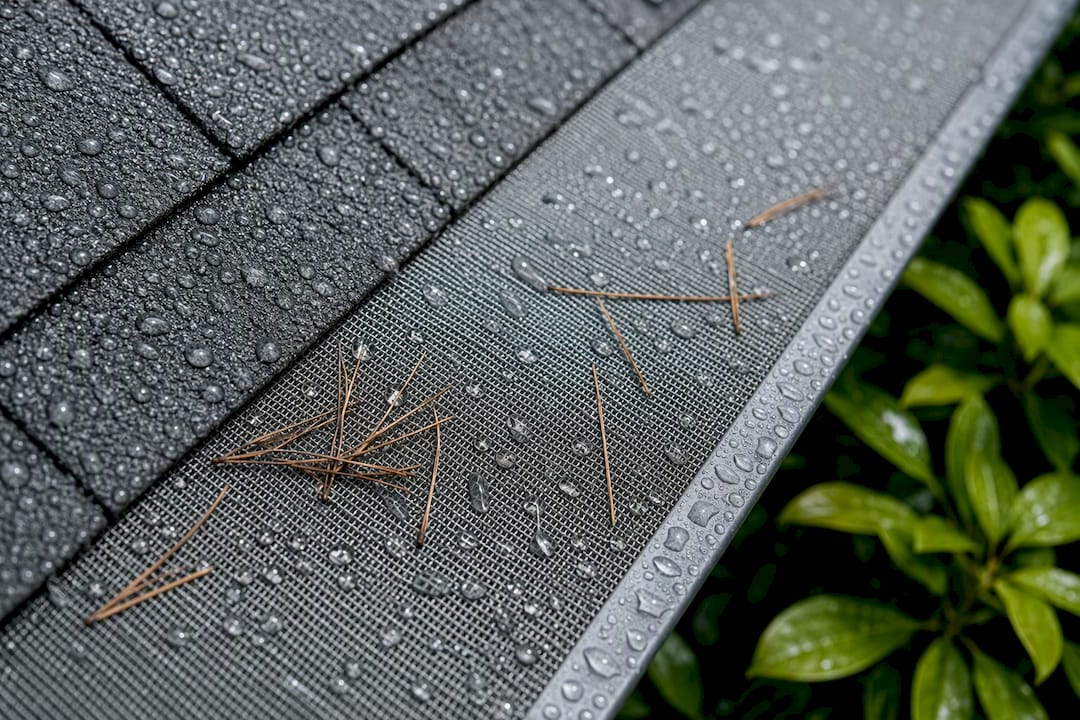
Summer is when foundation and landscape problems often announce themselves. UF/IFAS materials note that runoff can pool near the foundation and create moisture and pest concerns, so downspouts should send water away from the house and into absorbent areas. After a storm, walk the perimeter once the rain stops. If you find fresh erosion, muddy splash on the wall, or a recurring wet band next to the home, the system may be moving water, but not far enough or not into the right place.
This is especially important in homes with decorative stone beds, narrow walkways, or low planting pockets. Those features look tidy in dry weather, but they can become runoff channels in a storm. The gutter itself may not be failing at all. The discharge path may simply be too abrupt for the site.
Pool areas deserve special attention in summer because people use them most when rain is also frequent. Poor gutter drainage for pool cages can send roof runoff toward traffic paths, screen walls, and nearby beds, creating dirty splashback and mess around a space meant for relaxing. If the edge around the enclosure is washing out every few storms, it is worth revisiting where the downspouts terminate and whether the runoff is being directed into a pervious area that can actually absorb it.
Summer is also when homeowners ask whether guards would solve everything. They can reduce debris buildup in some settings, but they are not a universal cure for bad pitch, poor discharge planning, or neglected maintenance. If you are considering gutter guards Mount Dora FL style marketing has probably crossed your screen, and the same caution applies in Hawthorne or anywhere nearby: evaluate the whole drainage path, not just the top opening of the gutter.
Fall is the maintenance season people underestimate
In many Florida neighborhoods, fall does not come with dramatic piles of leaves the way it does farther north. That leads some homeowners to skip a serious gutter check. It is a mistake. Debris in our region is not always obvious from the ground. Small leaves, twigs, seed litter, and roof grit can gather in ways that slowly reduce flow, especially near outlets.
Fall is a practical time to clean, flush, and reassess. Summer has shown you where the problem spots are. Now you can address them while conditions are usually a little calmer. If you had overflow at one corner in July, do not assume the issue fixed itself. It rarely does.
This is also a good season to revisit a few persistent gutter myths Florida homeowners hear all the time. One is that if water is coming out of the downspouts, the system must be fine. Not necessarily. A partially blocked gutter can still drain, just badly and too slowly for a heavy storm. Another myth is that any spot away from the house is good enough for discharge. Also not necessarily. You want water directed to areas that absorb runoff, not to a low point that stays soggy or channels water toward hardscape.
Homeowners planning replacement work often start shopping in fall, and that brings up appearance questions too. Gutter colors for Florida homes matter more than some contractors admit, especially in neighborhoods with architectural review standards. Florida HOA law gives associations authority over exterior appearance standards, including color and style specifications for certain exterior products, but those standards must still align with code requirements and cannot be used to deny conforming installations outright. In plain terms, if you are in an HOA community, ask about color approvals early. It saves frustration later.
When replacement is on the table, people naturally ask about gutter installation cost factors Florida homes face. The fair answer is that costs vary with house size, roofline complexity, access, material choices, and whether drainage changes are needed beyond the gutter runs themselves. A straightforward one-story replacement is a very different job from a home with tricky elevations, long discharge distances, and tight areas around patios or enclosures. If a quote seems vague, ask whether it includes downspout relocation or site-specific drainage adjustments. Those details affect performance as much as the new gutters do.
You may also hear pitches for seamless systems, and in many cases they are worth discussing. Seamless gutters Williston FL contractors advertise are often valued because fewer joints can mean fewer common leak points over time. That does not make every seamless install automatically better. Layout, slope, outlet placement, and workmanship still matter. A seamless gutter that drains into the wrong place is still a problem, just a cleaner-looking one.
Winter is when smart repairs get scheduled
Winter in this part of Florida gives homeowners something rare: a chance to deal with gutters without the constant threat of afternoon downpours. That makes it an ideal season for repair decisions, color selection, and system upgrades.
If your gutters have been patched repeatedly, winter is the time to ask whether you are preserving a workable system or dragging out an inevitable replacement. A small localized issue, such as a loose section or a leaking corner, can absolutely justify repair. Repeated sagging, chronic overflow, and multiple problem zones usually deserve a larger conversation. Reliable gutter repair Hawthorne FL work starts with diagnosis, not just sealant.
This is also a practical season for homes with metal roofing. Gutters for metal roofs Florida homeowners choose often need careful placement because water can move off some roof surfaces fast during a hard rain. That does not mean metal roofs are bad for gutters. It means precision matters. If you are replacing both roof and gutters, they should be planned together rather than treated as unrelated jobs.
Winter is also a good season to evaluate whether your current discharge points support the rest of your landscape. Florida-friendly guidance emphasizes reducing stormwater runoff and using downspouts to keep water on site when possible. If one side yard stays bare because runoff scours it after every storm, that is not just a gutter issue. It is a drainage and landscape issue working together. The best fixes often improve both.
The quick seasonal check that catches most problems
If you want a simple routine, this is the one I recommend homeowners repeat through the year:
- Look for sagging sections, loose attachments, or visible separation at joints.
- Check where each downspout sends water, and make sure it is not pooling near the house.
- After a storm, inspect for overflow marks, washed-out mulch, or fresh erosion.
- Remove debris before it builds up enough to slow drainage.
- Schedule repair when small issues repeat, instead of waiting for a major storm to expose them.
That list is short on purpose. Most recurring gutter trouble shows itself in one of those five ways.
When maintenance is enough, and when it is not
A lot of gutter problems are maintenance problems. Debris buildup, minor clogs, and neglected discharge areas can make a decent system act like a bad one. If your gutters are structurally sound and the overflow disappears after cleaning and flushing, that is encouraging.
But there are times when maintenance alone is not the real answer. If the same area overflows every heavy rain, if water consistently lands where the yard cannot absorb it, or if runoff is causing repeated erosion near patios, foundations, or pool areas, the layout may need to change. Sometimes the fix is modest. Sometimes it means adding or relocating downspouts, adjusting discharge paths, or replacing sections that no longer hold proper slope.
This is where homeowners get tripped up by oversimplified advice. Gutter myths Florida homeowners hear often come from one-size-fits-all sales talk. More capacity is not always the missing ingredient. Guards are not always the cure. And a brand-new system is not automatically successful if nobody pays attention to where the water ends up.
Local details that make a difference around Hawthorne
Around Hawthorne and the broader Central and North Florida region, homes vary a lot. Some sit on roomy lots with plenty of turf and planting areas. Others have more hard surfaces, tighter side yards, or screened outdoor spaces that limit where runoff can go. The right gutter check depends partly on those site conditions.
If your lot gives you room, directing downspouts toward lawn or beds can be a practical fit with Florida-friendly landscaping principles. If your outdoor layout is tighter, you may need to think harder about how runoff crosses walkways, how close it lands to the home, and whether repeated splash is damaging the landscape. The house, the yard, and the drainage plan should work together.
That is one reason generic advice from a big box aisle often falls flat. A product can be perfectly fine and still be wrong for your layout. The best gutter choices are usually less about trendy features and more about whether the whole system matches the roofline, the lot, and the way water naturally moves across the property.
If you are comparing bids for cleaning, repair, or replacement, ask grounded questions. What signs of failure did the contractor observe? Where will each downspout discharge? Is the recommendation based on clogging, slope, repeated leakage, or runoff near the foundation? Those answers tell you whether the person in front of you is thinking like a drainage professional or just selling parts.
Homeowners from nearby areas often search terms like gutter cleaning Dunnellon FL, gutter guards Mount Dora FL, or seamless gutters Williston FL while trying to compare services across the region. The names change, but the practical standard should stay the same. A useful recommendation addresses maintenance, flow, and runoff location together. Anything less is only part of the job.
A house is easier to protect when the water has a plan
Good gutters are not just attached to a roof. They are part of a water-management plan for the whole property. Around Hawthorne, the seasonal routine is less about perfection and more about timing. Check in spring before the heavy rains. Watch performance in summer when storms reveal the truth. Clean and reassess in fall. Repair or upgrade in winter when you can work without rushing the weather.
If you keep coming back to the same question, ask the simplest version of it: when water leaves the roof, where does it go next? If the answer is “into an area that can absorb it, away from the house, without causing erosion or pooling,” your gutters are doing their job. If the answer is “wherever it happens to land,” that is the part worth fixing.