Gutter Installation Cost Factors Florida Homeowners in Gainesville Should Understand
If you own a home in Gainesville, you already know water moves fast here. Summer thunderstorms can dump a lot of rain in a short window, tropical systems can turn an ordinary drainage problem into a messy weekend, and our humidity does not forgive neglect. That is why gutters are not just a trim detail on a Florida house. They are part of how you protect the soil around the home, keep runoff from pooling near the foundation, and avoid turning walkways, planting beds, and screened outdoor spaces into splash zones.
When homeowners start pricing a new gutter system, they often expect one clean number. In real life, the cost depends less on a simple per-foot estimate and more on how the whole drainage plan needs to work on your property. In Gainesville and the surrounding parts of North and Central Florida, the most important question is not only, “What will the gutters cost?” It is, “Where is all that roof water going after it leaves the gutter?”
That single question affects layout, downspout placement, maintenance needs, and whether the installation actually solves the problem you are paying to fix.
The biggest cost driver is usually not the gutter itself
A lot of homeowners focus first on the gutter profile or finish. Those details matter, especially if curb appeal is important, but the more meaningful cost factor is the drainage strategy. Florida guidance consistently emphasizes keeping roof runoff on site when possible and directing downspouts toward areas that can absorb water, such as turf or planted beds, rather than letting water collect in the wrong place.
That has real pricing implications. A straightforward run of gutter along a simple roof edge is one type of job. A system that must route water away from foundations, avoid erosion, protect planting areas, and discharge into a suitable part of the yard is another. The second job may need more planning, different downspout locations, or additional work to make sure water ends up where the landscape can handle it.
This matters in Gainesville because many properties have a mix of lawn, beds, patios, fences, and hardscape packed into a modest footprint. Sometimes the installer can drop a downspout into a patch of turf and be done. Sometimes there is a driveway on one side, a narrow side yard on the other, and a patio where the water naturally wants to land. At that point, the labor and planning involved can change the project more than the gutter material itself.
Why runoff control shapes price in Florida
Florida-Friendly guidance puts a lot of attention on reducing stormwater runoff and keeping water on site in absorbent areas. That sounds like landscaping advice, but it directly affects gutter installation cost factors Florida homeowners should understand.
If runoff is allowed to dump right next to the house, it can pool near the foundation and create pest-friendly conditions. If it pours into a bare bed, it can carve channels and expose roots. If it lands where foot traffic is heavy, it can create slippery spots and constant mud. Each of those outcomes leads homeowners to spend more later, either on gutter changes or on fixing landscape damage that could have been prevented the first time.
A cheaper installation can become expensive if the downspouts are placed for installer convenience rather than site performance. I have seen homeowners think they saved money because the initial bid was lower, only to find that every major rainstorm sent water across a walkway and into a mulch bed that washed out twice a season. They ended up paying for adjustments anyway.
The lesson is simple. In Gainesville, price and performance are tied together. A gutter system that costs more upfront because it sends water to a better discharge point may actually be the more economical choice over time.
Downspout placement is where many estimates start to separate
Two bids can describe “new gutters” and still be very different jobs. One contractor may be estimating only the collection system along the roofline. Another may be considering how to direct water into lawn or planted areas that can absorb it. That difference shows up in the number of downspouts, where they are located, and how carefully they are integrated with the site.
UF/IFAS guidance supports sending roof runoff into areas that absorb water well. In practice, that means a good layout is not random. It responds to grade, planting layout, and the way the yard handles heavy rain. Homes with obvious drainage opportunities usually cost less to plan. Homes with limited options often cost more because every downspout location has trade-offs.
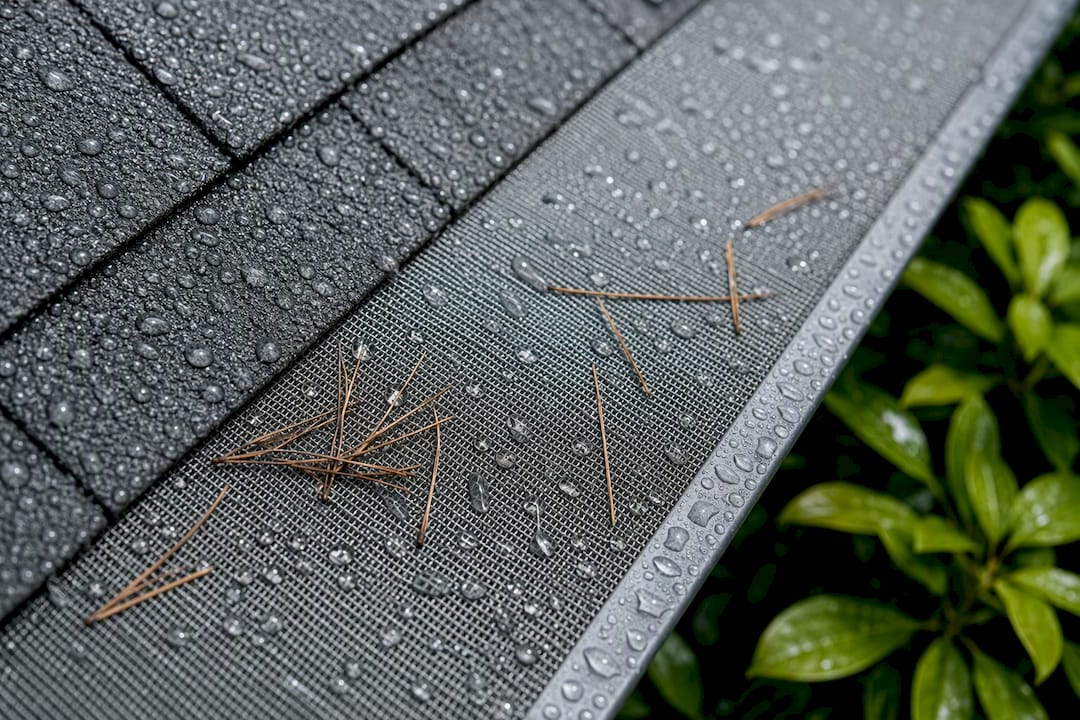
A narrow side yard is a good example. If the easiest place to place a downspout also happens to be the worst place to discharge water, the installation gets more complicated. You are not just buying aluminum shaped to the roof edge. You are buying judgment.
Pool cages complicate drainage in ways homeowners often miss
One of the more specific situations I see come up is gutter drainage for pool cages and screened outdoor areas. Pool-adjacent properties need careful drainage management so water does not create overflows, wash soil out from surrounding beds, or leave outdoor living areas unpleasant after storms.
Anyone who has stepped out to a patio after a hard Florida rain knows how frustrating this can be. Water may not be entering the pool enclosure itself, but overflow around the perimeter can still make the area messy, erode nearby soil, and splash debris where nobody wants it.
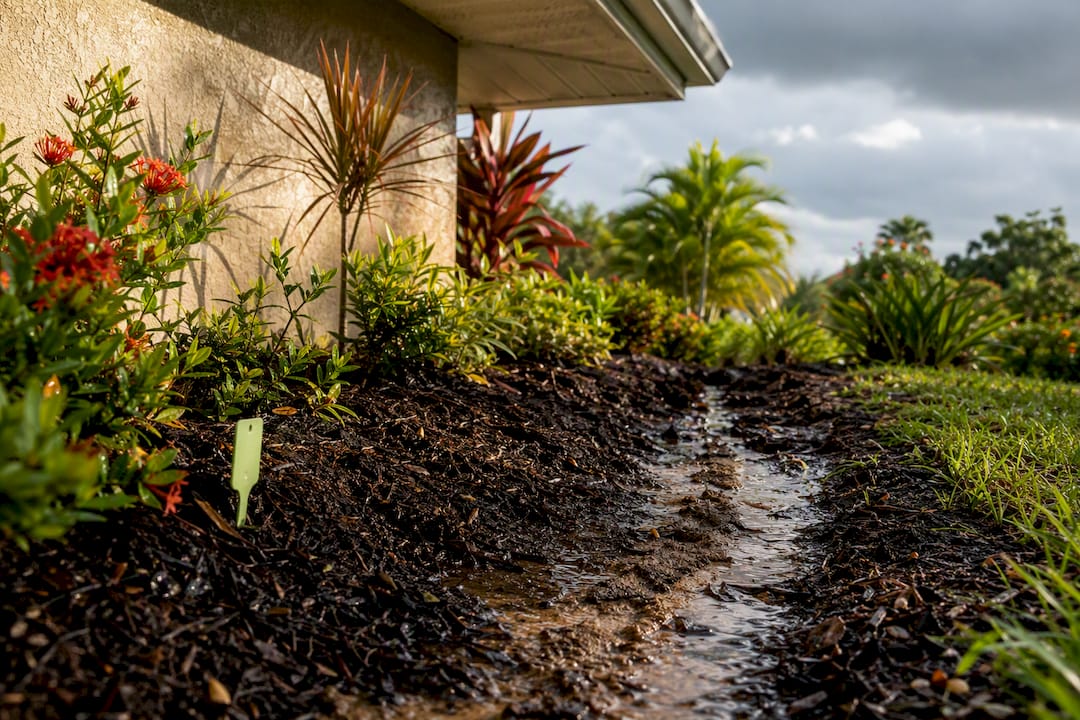
That usually means the gutter plan has to account for more than the roof line alone. The installer needs to think about where the water exits relative to the cage, deck, and any nearby planting. If avoiding trouble around those features limits the available downspout locations, the job may take more effort to design and install well.
So yes, gutter drainage for pool cages can affect cost. Not because a pool cage changes the laws of physics, but because it narrows the margin for sloppy decisions.
Maintenance access should be part of the installation conversation
Florida homes do not get to ignore maintenance. Leaf litter and debris can contribute to drainage problems, and routine cleaning and repair are part of normal upkeep here. That makes accessibility a cost factor, both now and later.
Homeowners sometimes look at an estimate and think only about installation day. A better question is how easy the system will be to maintain once the installer leaves. If a section is difficult to reach, catches debris repeatedly, or places downspouts where clogs are hard to spot, the long-term cost of ownership rises even if the upfront number looked attractive.
This is where the old debate of DIY gutter cleaning or hire a pro becomes relevant. A single-story ranch with open access is one thing. A house with awkward roof geometry, dense tree litter, or screening and landscaping that make ladder placement difficult is another. A low installation price can lose its appeal if every cleaning turns into a chore you dread or a service call you did not budget for.
That is also why add-ons like gutter guards enter the conversation. I would be careful about broad promises, because maintenance is still part of the picture, but many homeowners searching terms like gutter guards Mount Dora FL are really asking a practical question: can I reduce the amount of debris management this system will need? That is a fair question, and it belongs in the budgeting stage.
“Seamless” often means cleaner appearance, but the real issue is fit and planning
Searches for seamless gutters Williston FL or nearby service terms often reflect a desire for a neater look and a more custom installation. Even if you are in Gainesville rather than Williston, the underlying concern is familiar. Homeowners want a system that looks intentional, matches the house, and does not feel pieced together.
From a cost standpoint, custom fitting and site-specific planning tend to matter more than the marketing label. The gutter system should respond to the roof runoff pattern and the property’s drainage needs. Appearance matters, but appearance without a sensible discharge plan is expensive decoration.
That is especially true if your home has a mix of rooflines or additions that send water to different sides of the house. The more the system needs to be fitted to the property instead of dropped in as a standard template, the more room there is for bids to vary.
Metal roofs and Florida conditions deserve a practical discussion
Homeowners researching gutters for metal roofs Florida homes are usually trying to avoid surprises. That is smart. Even when the roof material changes, the same drainage principles still apply: collect the water, move it where it needs to go, and keep it away from areas where it causes erosion, pooling, or nuisance runoff.
If your home has a metal roof, ask the installer to explain how the gutter system will manage runoff on your specific property. Not in sales language, but in plain words. Where will the water go? Will it be directed to lawn or beds that can absorb it? Will it create splashback onto walkways or screened spaces? Those are the details that affect whether the final price is solving a problem or simply attaching hardware to the fascia.
I would treat metal roofs the same way I treat every other roof in Florida. Focus less on abstract product claims and more on the runoff path from roof edge to ground.
Color can affect cost, especially when an HOA is involved
Homeowners often underestimate the role of appearance in pricing. Gutter colors for Florida homes are not just a style decision. In some communities, exterior appearance standards or architectural review requirements may shape what is acceptable. Florida law gives associations authority over exterior appearance standards, including color and style specifications for certain exterior products, though those standards still have to comply with the building code and cannot be used to block conforming installations.
For a homeowner, that means color selection can add time and coordination to the project. If your neighborhood has review procedures, a delay in approval can slow the schedule. If a certain look is required to match trim, soffits, or roofing, your options may narrow. None of that automatically means a huge price jump, but it does mean that “just put up white gutters” is not always how the decision gets made.
I usually tell homeowners to settle the color question early. It is easier to make design decisions before the crew is scheduled than after.
Repairs and partial replacements complicate pricing
Many people start out wanting a simple repair, then discover the issue is tied to a broader drainage problem. A loose section, overflow at one corner, or repeated washout in one bed may seem local, but the cause may be poor runoff management elsewhere in the system.
That is why service searches like gutter repair Hawthorne FL or gutter cleaning Dunnellon FL often connect to installation decisions in the end. A homeowner calls because something is leaking or overflowing. After a closer look, it becomes clear the gutters are not sending water where the property can absorb it, or that maintenance problems have been building for years.
Repairs are valuable when the basic layout still makes sense. They are less satisfying when the original design ignored how Florida rain behaves on that lot. If a contractor recommends more than a patch, ask them to explain the drainage reason, not just the construction reason.
A few gutter myths that raise or lower budgets for the wrong reasons
There are several gutter myths Florida homeowners repeat to each other, and they often lead to bad budgeting decisions. One myth is that any gutter is better than none, regardless of where the water goes. Another is that maintenance can be fully eliminated. A third is that all overflow problems are caused by debris, when some are actually layout problems.
Those myths matter because they push homeowners toward the wrong spending priorities. Someone may overpay for a feature that promises less cleaning while ignoring a downspout that dumps water where it can never absorb properly. Another may postpone replacement because the old system is technically still attached, even though every storm sends runoff straight into a trouble spot near the house.
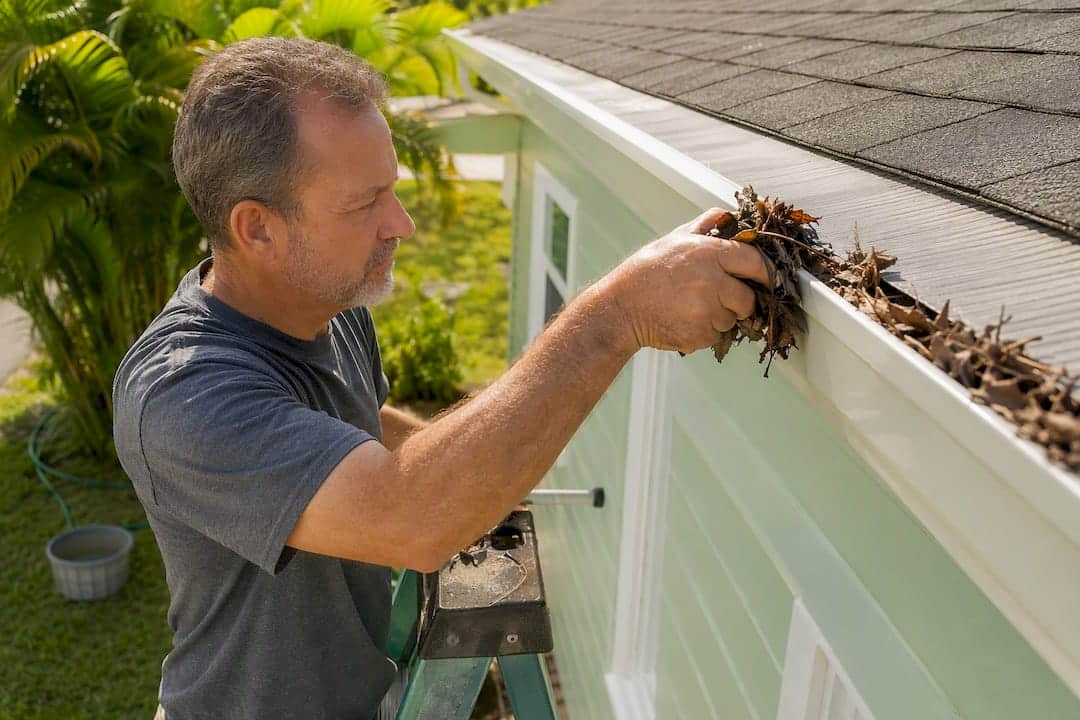
A better approach is to budget around function first. Does the water leave the roof in a controlled way? Does it go to a lawn or planted area that can take it? Does it stay away from the foundation and avoid creating erosion? If the answer is no, cosmetic upgrades can wait.
What to ask before you compare bids
A smart estimate review is less about chasing the lowest number and more about finding out whether each contractor is pricing the same scope.
- Where will each downspout discharge, and why was that location chosen?
- How will the system keep water away from the foundation and areas prone to pooling?
- Are you planning for runoff to enter turf or planted areas that can absorb it?
- What maintenance should I realistically expect in Florida conditions?
- If I have a pool cage, screened space, or HOA requirements, how does that change the layout or schedule?
Those five questions do a lot of work. They reveal whether the estimate reflects actual runoff management or just a linear measurement along the roof edge.
The long-term cost is tied to maintenance habits
Gutters are not a set-it-and-forget-it feature in this climate. Florida conditions make routine maintenance part of ownership. Debris buildup can lead to drainage problems, and neglected small issues often turn into larger ones because the next major storm will test every weak spot.
That is why a year-round gutter checklist Florida homeowners can actually stick to is worth more than an elaborate plan nobody follows. Keep it short and realistic.
- Check for visible overflow or washout after heavy summer storms.
- Look at downspout discharge areas for pooling near the house or erosion in beds.
- Clear debris when buildup is visible rather than waiting for a major clog.
- Schedule repairs when a small problem first appears, before the rainy season exposes it.
That short routine is not glamorous, but it aligns with how Florida homes really need to be cared for. It also makes it easier to decide whether DIY gutter cleaning or hire a pro is the better fit for your home and your tolerance for ladder work.
Why Gainesville homeowners should think beyond the roof edge
Gainesville sits in a part of Florida where strong rain this page events are normal, not exceptional. The homes that handle those storms best are usually not the ones with the flashiest gutter pitch. They are the ones where someone thought carefully about where the water lands after it leaves the downspout.
The practical goal is to send runoff into the landscape in a controlled way, toward turf, beds, rain gardens, barrels, cisterns, or other pervious areas when appropriate, instead of creating concentrated flow where it can do damage. That broader site view is what separates a basic installation from one that genuinely solves a drainage problem.
So if you are budgeting for new gutters, do not ask only what they are made of or what color they come in. Ask what the water will do on your lot in a July thunderstorm. Ask whether the discharge points support the way Florida yards absorb rain. Ask whether your screened patio, pool cage, foundation area, and planting beds are being protected or ignored.
That is where the real cost lives. Not just in the metal overhead, but in the judgment behind where every gallon goes once gravity takes over.