What Gainesville Area Homeowners Should Compare When Selecting a Gutter Contractor
If you own a home around Gainesville, the question is rarely whether gutters matter. The real question is whether your gutter system is ready for the kind of rain Florida can deliver, and whether the contractor you hire understands what that means on the ground.
North and Central Florida deal with frequent warm season thunderstorms, heavy humidity, and a rainy pattern that can bring fast downpours through summer and into tropical weather periods. That changes the conversation. A gutter system here does not get judged on a mild spring shower. It gets judged on the afternoon storm that rolls in hard, drops a lot of water in a short window, and tests every corner, downspout, and connection at once.
That is why homeowners comparing a gutter contractor Central Florida or North Florida should not stop at a basic price quote. You want to compare how the company thinks, what problems they expect on your property, and whether their recommendations line up with local conditions like tree debris, roof runoff, and repeated wet weather.
I have seen homeowners make the same mistake over and over. They call two or three companies, look at the bottom line, and treat gutters like a commodity. Then the first heavy storm hits, water overshoots a section, debris mats over a guard, or a low spot starts holding gunk and staining the fascia. The cheaper quote suddenly looks expensive.
A better comparison process is simple, but it has to be thorough.
Start with whether the contractor understands Florida rain, not just gutters in general
A contractor can know how to hang gutters and still miss what matters in Gainesville, Leesburg, Ocala, or The Villages. This region gets regular rainfall, high humidity, and recurring periods of flooding rain risk during the warm season. Summer storms are not a rare event here. They are part of the annual pattern.
That means the contractor should be talking with you about runoff volume, roof sections that dump water quickly, and places where overflow would create the most trouble. On one house, that might be a front entry that gets sheet flow in every storm. On another, it might be a back corner where water lands beside the foundation planting bed and turns the area into muck for half the year.
A company offering seamless gutters Gainesville FL should be able to walk the property and talk in practical terms about how your home handles water now. If they only measure and quote, but never discuss where water is going or what happens during a hard summer storm, that is a weak start.
The same goes for anyone pitching gutter installation North Florida more broadly. North Florida is not the same as a dry climate where gutters mainly deal with occasional rain and a few leaves. Local weather is part of the job.
Compare how they evaluate tree debris
Around Gainesville and much of this part of Florida, debris is not an afterthought. It is a defining issue. Live oak leaves and acorns build up. Pine needles collect in long, stubborn mats. Small limbs and mixed yard debris can find their way into gutters and downspout paths. If you have mature trees, especially a mix of oak and pine, your gutter system is dealing with more than water.
This is one of the easiest ways to tell whether a contractor is paying attention. Do they look up into the canopy? Do they ask what drops onto the roof at different times of year? Do they mention acorns, needles, and leaf accumulation without being prompted?
A homeowner looking at gutter guards Gainesville FL or gutter guard installation Central Florida should expect that conversation. Not every guard style handles the same debris equally. A contractor does not need a dramatic sales pitch. They need good judgment. Pine needles behave differently than broad leaves. Wet debris behaves differently than dry debris. A roof shaded by oaks will challenge a gutter system in a different way than an open roofline with little overhead tree cover.
If a company recommends the exact same setup on every house, that is a red flag. Good contractors pattern match. They know that one property needs easier cleanout access, another needs stronger debris control, and another may simply need a realistic maintenance plan instead of a “maintenance free” promise.
Seamless installation should be discussed in terms of fit and water control
The phrase seamless gutter installation Leesburg FL gets used a lot in marketing, and for good reason. A seamless setup can reduce the number of joints along a run, and fewer joints generally means fewer places where problems start. But homeowners should still compare how the contractor talks about the installation itself.
The important thing is not just that the product is called seamless. It is whether the contractor is careful about measuring, planning the run, and discussing where water exits the system. A neat looking gutter line is good. A neat looking gutter line that actually manages heavy Florida rain is better.
If you are comparing seamless gutters Gainesville FL providers, ask them to explain what they see as the vulnerable spots on your home. The answer tells you a lot. One contractor may focus on appearance only. Another may immediately point out a roof valley, a problem corner, or an area where debris tends to collect before it enters the system. The second conversation is usually the one that leads to fewer surprises later.
I also tell homeowners to listen for plain language. The best contractors usually explain things simply. They are not trying to impress you with jargon. They are trying to make sure you understand what they are proposing and why.
Gutter guards are worth comparing carefully, because “guard” can mean several very different things
Many homeowners begin the search thinking they want guards, full stop. That is understandable. Nobody enjoys climbing a ladder or paying for repeated cleanouts. But guard performance depends heavily on the style, the roofline, and the debris you actually have.
Common guard categories include brush, foam insert, mesh screen, micro mesh, PVC cover, and reverse curve designs. Those names matter less than the practical question behind them, which is how each style handles local rain and local debris over time.
Here is where a short comparison helps:
- Brush and foam styles are easy to understand, but homeowners should ask how they deal with trapped debris and long term wet conditions.
- Mesh and micro mesh styles are often considered when fine debris is part of the problem, especially where pine needles are common.
- Screen style products can make sense in some settings, but the contractor should explain what happens when leaves and acorns build up on top.
- Reverse curve and cover style systems need a clear explanation of how they move water during strong storms and how they behave with local debris.
- Any guard system should be discussed together with future gutter cleaning Leesburg FL or gutter cleaning and repair Ocala FL needs, because guards usually change maintenance, not erase it.
That last point matters. Homeowners get burned when a contractor sells the fantasy of zero maintenance. In Florida, with regular storms, humidity, and tree litter, very few exterior systems are truly hands off. A better promise is reduced maintenance and easier maintenance, if the product fits the house.
Compare the maintenance plan, not just the installation
This is where experienced contractors stand out. They do not treat installation as the end of the conversation. They talk about what happens six months later, after oak debris drops, after a tropical downpour, or after a branch sheds small twigs onto the roof.
Florida conditions make maintenance part of the product. UF and Florida stormwater guidance have long emphasized keeping plant debris out of runoff paths because clogs create drainage problems and can contribute to polluted stormwater. Gutters are one of the first places where that basic truth shows up around a house.
So when you compare companies, ask how they approach ongoing care. A homeowner considering gutters The Villages FL or gutter maintenance Florida services should know whether the same company also handles cleanouts, inspections, and minor repairs. It is easier when the installer also understands how the system ages on real homes in your area.
You do not need a dramatic service package. You need realism. What debris should you expect? How often should the system be checked if your property has mature oaks? What signs mean it is time to call before the next heavy weather cycle? A contractor who can answer those questions plainly is usually worth your time.
Repair capability matters more than many homeowners realize
A lot of homeowners shop as if they need only one thing: installation, guards, or cleaning. In practice, those categories blur. A home may need a new run on one side, a small repair on another, and a cleaning before the contractor can even see what shape the system is in.
That is why repair capability deserves a close look. A company that handles gutter repair Gainesville FL alongside installation and cleanouts often sees the full life cycle of these systems. They know what actually fails, what clogs first, and which “small issue” tends to become a costly nuisance if left alone through one more rainy season.
I have watched this play out on homes where the owner called for a routine cleaning and learned that a trouble spot had been overflowing long enough to create secondary issues nearby. In many cases, the big value was not the cleanout itself. It was that someone noticed the weak point before the next round of storms.
A contractor who only wants the large install job may gloss over those details. A contractor who also does gutter cleaning and repair Ocala FL or nearby service work is often more tuned in to how systems perform after the sale.
Watch how they inspect, explain, and write the estimate
This part sounds less exciting than discussing products, but it is one of the best comparison tools you have.
A strong estimate usually reflects a thoughtful inspection. The contractor has looked at roof sections, drainage paths, debris patterns, and access. They explain what they recommend and what they are not recommending. They separate must do items from nice to have upgrades. They do not turn every conversation into a hard sell for the most expensive option.
The written estimate should make the scope easy to understand. If guards are included, the product type should be clear. If cleaning or repairs are needed before installation, that should be stated. If part of the home is being addressed now and another section later, you should be able to see that plainly.
This is not about fancy paperwork. It is about clarity. The best contractors tend to be good at reducing confusion. They know homeowners are comparing apples to oranges unless the scope is spelled out.
When people tell me they got three quotes and still feel unsure, I usually ask what each contractor actually explained. The cheapest quote often turns out to be the vaguest one. The highest quote is not automatically best, either. Sometimes it includes upgrades the home does not really need. The sweet spot is usually the proposal that feels specific, grounded, and tailored to the property.
Ask a few direct questions and pay attention to the quality of the answers
You do not need a long interrogation. A few pointed questions are enough to reveal whether the company knows its craft and respects your time.
- How does this recommendation account for the heavy summer rain patterns we get here?
- What kinds of debris do you expect on this roof and in these gutters?
- How will this setup affect future cleaning or repair needs?
- Are you recommending guards because this house needs them, or because you install them on most jobs?
- If a problem shows up later, what part of the system would you check first?
Good answers usually sound calm and specific. Weak answers sound rehearsed, vague, or overly absolute. Be cautious if you hear blanket promises like “never clean again” or “this works for every house.” Houses differ. Trees differ. Rooflines differ. Honest contractors know that.
The local service footprint matters, especially for follow up
For many homeowners, the sale is only half the relationship. The real test comes later, when a storm reveals a trouble spot, or when debris patterns shift with the seasons.
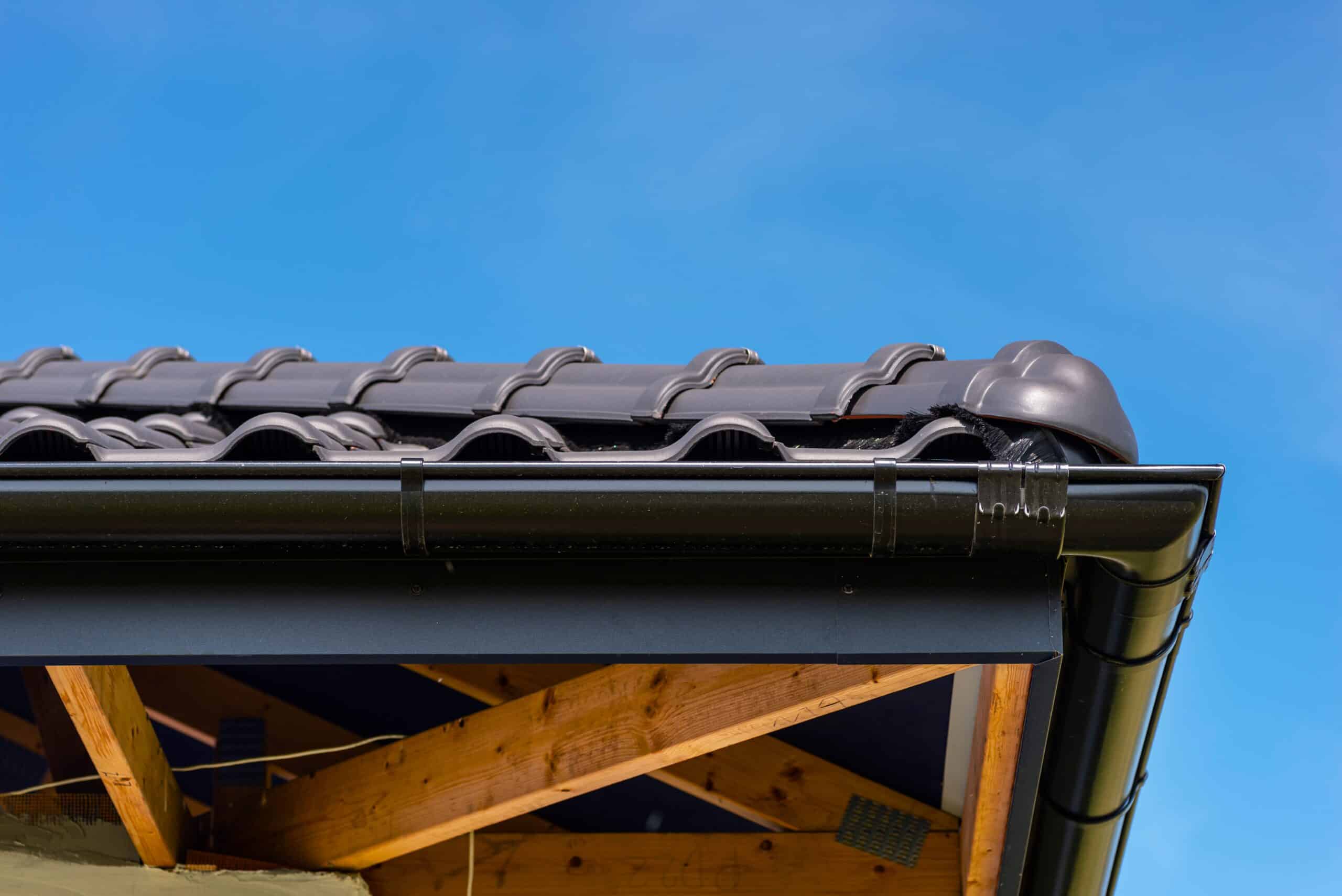
That is why service footprint matters. A company actively working in places like Gainesville, Leesburg, Ocala, and The Villages is more likely to understand regional weather, common debris types, and the simple reality that a system may need adjustment or maintenance after installation. This is especially useful when you are comparing companies for seamless gutter installation Leesburg FL or gutter contractor Central Florida work, because the weather and vegetation patterns across this part of the state shape how these systems perform.
Local familiarity does not mean every job is identical. It means the contractor is not learning Florida conditions at your expense.
Price matters, but only after you understand what you are buying
Every homeowner has a budget. That is real. But gutter work is one of those categories where price alone can steer people wrong.
Two quotes may differ because one includes a more suitable guard style for your debris load, or because one includes cleaning and minor prep work before installation. One may cover a problem section only, while another addresses the whole drainage path. If you compare the bottom line without comparing the reasoning, you can end up rejecting the better fit.
I often suggest homeowners think about value in terms of performance during the weather events that matter most. How will the system likely behave in a hard summer storm? How will it handle the oak leaves and pine needles your property actually sheds? How easy will it be to maintain? Those questions usually lead to a better decision than price alone.
The best contractor is usually the one whose recommendation feels most grounded in your house
This may sound simple, but it is the heart of the choice. The right contractor does not sell you a generic package. They notice your lot, your roofline, your tree cover, and your drainage concerns. They explain whether seamless gutters Gainesville FL style solutions make sense for your home, whether gutter guards Gainesville FL are likely to help, and what gutter maintenance Florida will still be part of ownership no matter what product you choose.
They also respect trade offs. Guards can reduce cleaning frequency, but they may change how debris collects. Seamless systems can reduce joints, but they still need correct planning and maintenance. Cleaning solves current buildup, but it may reveal repairs that should not wait until next season. Real professionals talk that way. They do not pretend there is a perfect product with no upkeep and no downside.
For Gainesville area homeowners, that practical mindset is what separates a useful estimate from a sales script. In this climate, with this amount of rain and this kind of debris, the smartest comparison is not just contractor versus contractor. It is recommendation versus reality.
And reality in this part of Florida is pretty clear. Water comes fast, humidity sticks around, leaves and needles see details pile up, and small drainage issues rarely improve on their own. Choose the company that seems to know that from experience, and your gutters are much more likely to do their job when the sky opens up.